
Preparations run club
dAKAR, senegal
Listening Across Borders
An interview with Yandeh,
founder of Preparations Run Club
Dakar, Senegal
The Story behind “Preparations”
Preparations didn’t start as a run club at all. It began as a pop-up project around food, culture, and reparations. We were exploring the intersection of preparing food and preparing ourselves — looking at African and South American histories through meals, conversations, and shared experiences. We organized pop-up lunches and brunches in Senegal, Gambia, and Amsterdam, collaborating with artists, dancers, yoga teachers, and cultural workers. The idea was simple but intentional: sharing food as a way to share histories, care, and community.
Running in dakar
What did those first runs look like?
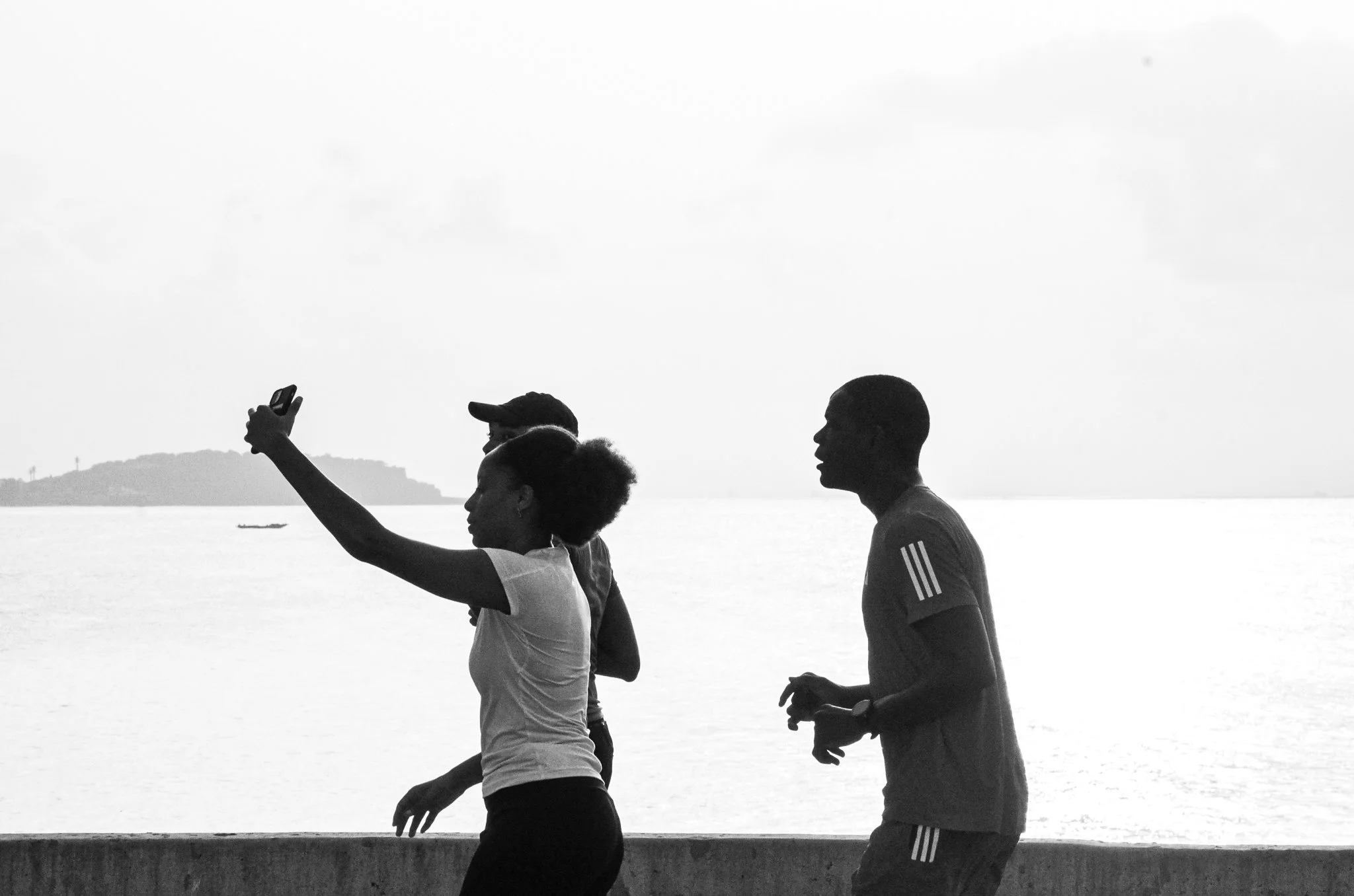
Very simple. It was really about showing up. At first, it was friends from our existing circles, people connected to wellness, movement, or my cousin’s jiu-jitsu community. It quickly became more than running. It was about health in a broader sense: physical, mental, and collective. From the beginning, the run club was free. Anyone could join. Anyone could also lead a run, especially if they lived in a different part of Dakar. That openness is still core to how we operate.
Do you think sport in Dakar feels accessible to everyone? What barriers do you see?
There are definitely barriers. While there are paid and unpaid run clubs in Dakar, access isn’t equal. Some spaces feel very focused on gear, performance, numbers — the watch, the shoes, the pace. That can be intimidating and exclusionary. For many Senegalese people, those material expectations alone can be a barrier to joining. Our club tries to be very clear: this is not about running your best time. It’s about community. If you’re fast, you run with slower runners. We talk, we check in, we move together.
What does running in Dakar feel like?
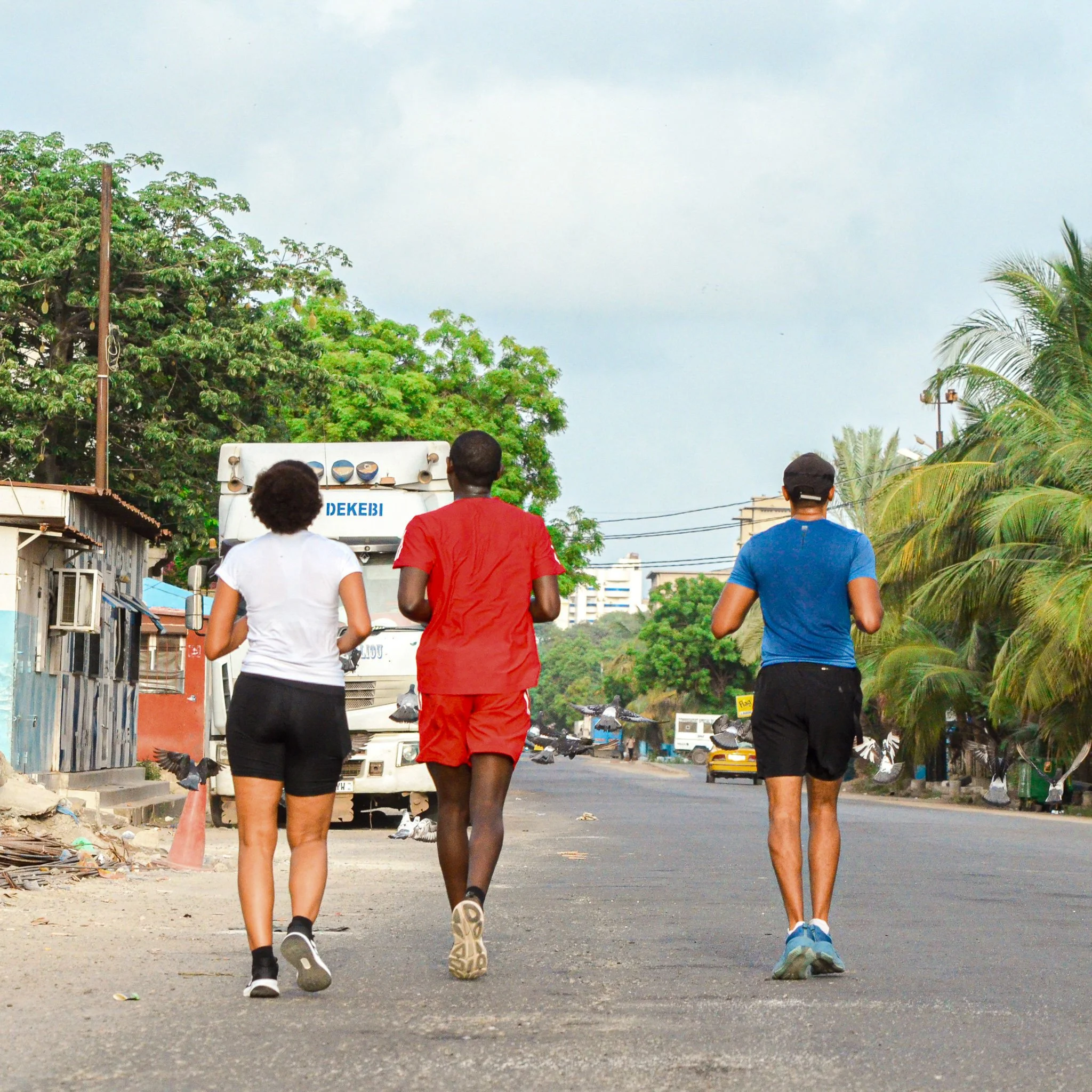
Running in Dakar is very different. It’s a hilly city, and the traffic has increased so much compared to ten years ago. Air pollution can be a real challenge, which is why we usually run very early in the morning — before the city fully wakes up. We’re lucky to live close to the ocean, so the Corniche and coastal routes offer accessible, beautiful paths. But once you go deeper into the city, running becomes harder. There aren’t always sidewalks or safe spaces, and that creates real accessibility issues. You can run anywhere if you really want to — people find ways — but it’s not equally safe or comfortable for everyone. I wish we had more open stadiums or public tracks where people could just show up and run without needing connections or permission.
How do you create a safe and inclusive space?
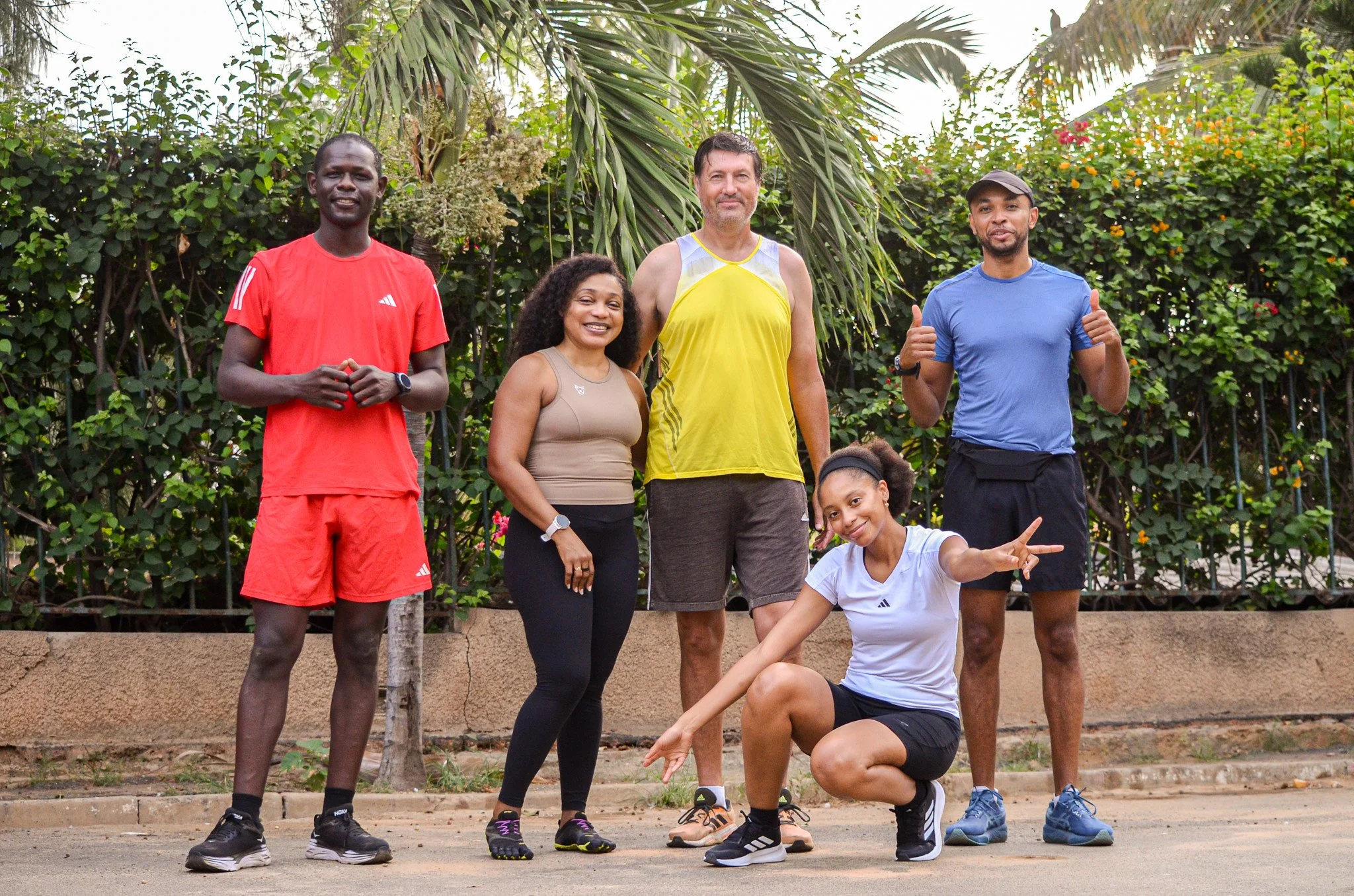
We remove pressure. There’s no obligation to show up every week. No one is punished for resting, being injured, or having a hard time. We emphasize that this is a community before it’s a run club. That means listening to each other, adjusting pace, changing routes if needed, and making sure no one feels left behind. After runs, we often grab a drink or food together. Those moments matter just as much as the run itself.
How do you support each other during hard days or injuries?
We check in constantly. If someone is injured, we pull together money to support them, sometimes for small care items, sometimes just to show that they’re not alone. When someone comes back from injury, we adapt. We slow down. We choose different routes. The group adjusts to the person, not the other way around. That flexibility is intentional.
What are your dreams for Preparations Run Club?
In a perfect world, I’d love for us to have the capacity to hire a dedicated run leader — someone who can consistently hold space when my cousin or I are traveling or busy. I’d also love to create a team kit that’s made or designed in Senegal, reflecting our values: health, culture, environmental care, and Pan-African solidarity. We have members from Senegal, Gambia, Cape Verde, Guinea-Bissau, Cameroon, Côte d’Ivoire — it’s a very Pan-African group. I want that identity to be visible. More broadly, I want the world to see that Dakar has a running culture that doesn’t depend on expensive gear, sponsorships, or elite performance. Just people showing up for each other.
How would you like the world to see Dakar’s running culture?
I’d love to see running connected to causes — environmental justice, air pollution, urban safety. Runners can be powerful advocates. Why not runs that raise awareness about pollution? Or plogging runs that clean the city? Running doesn’t have to be about mega-sponsored marathons backed by corporations. Small, community-driven events can be just as impactful — sometimes more. Running can be political. It can be collective. It can say something.
What advice would you give to someone starting their own community club?
Just start. Even if it’s scary. Talk to people. Put up a flyer. Ask a gym. Invite one friend — or show up alone and trust that others will find you. You’ll learn along the way. Maybe you’ll realize you don’t want to lead forever, and that’s okay. You can collaborate, share responsibility, evolve. But most importantly: stand for something. Ask yourself what change you want to see, who you’re doing this for, and what legacy you want to build. It’s easy to start something just to start it. What matters is what comes next.
THANK YOU SO MUCH FOR SHARING, WE’RE TRULY GRATEFUL FOR THESE WORDS. I look forward to running with you, when I come home again.